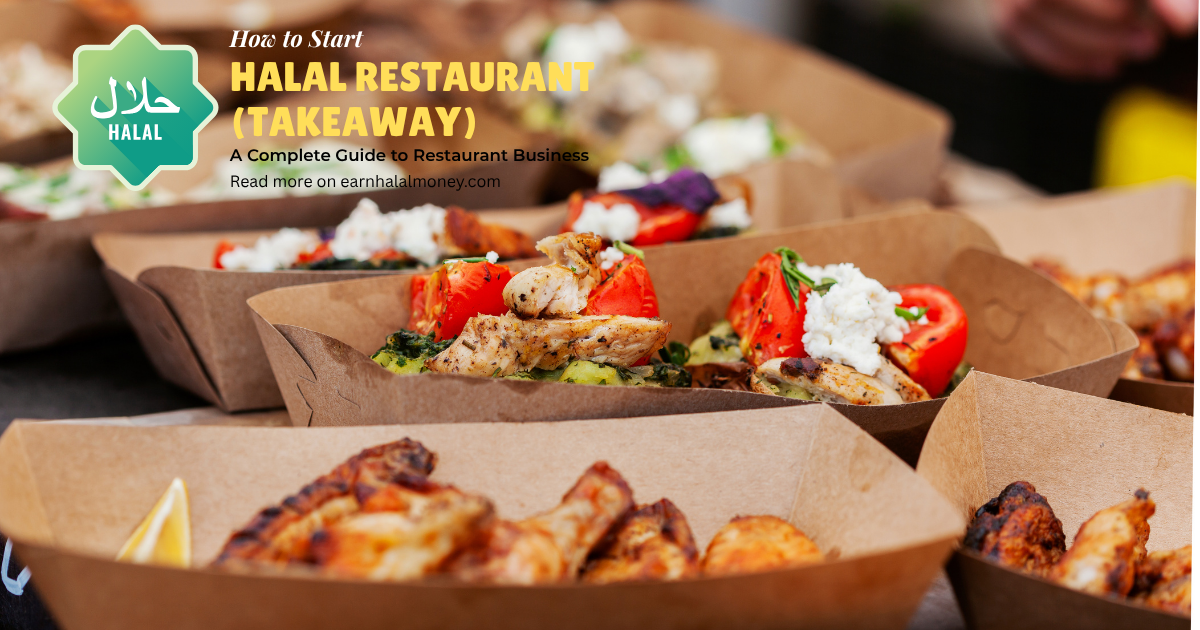
A takeaway restaurant is one of the fastest-growing food business models in India, designed for customers who prefer convenience and speed over dine-in experiences. Instead of sitting and eating at the restaurant, customers simply place their order and pick it up, or receive it through delivery services.
Closely related to this model is the cloud kitchen (also known as a ghost kitchen or delivery-only kitchen), which operates without any physical storefront or customer-facing space. Cloud kitchens focus entirely on online orders through delivery platforms, making them even more cost-efficient and scalable compared to traditional takeaway setups.
With busy urban lifestyles, increasing work pressure, and rising demand for quick meals, both takeaway restaurants and cloud kitchens have become extremely popular among office workers, students, and families. These models are especially suitable for entrepreneurs who want to start a food business with lower investment and operational complexity compared to traditional dine-in restaurants.
A takeaway or cloud kitchen setup focuses primarily on kitchen efficiency, quick service, and proper packaging. Since there is no need for large seating areas or heavy interior design, costs are significantly reduced. By maintaining consistent taste, fast order processing, and attractive pricing, these businesses can generate high order volumes and stable income.
Complete Structure of a Takeaway & Cloud Kitchen Business
1. Business Idea & Concept
Start with a clear and focused concept that suits takeaway and delivery customers.
Popular ideas include:
- Fast food takeaway outlet
- Biryani point
- Rolls and shawarma outlet
- Snacks and street food counter
- Halal takeaway kitchen
- Cloud kitchen with multiple brands (e.g., biryani + burgers + Chinese under one kitchen)
👉 Cloud kitchens can run multiple virtual brands from a single kitchen to maximize profits.
2. Target Market
Identify your main customer base.

Typical target audience:
- Office workers looking for quick meals
- Students and bachelors
- Local residents
- Online delivery customers
👉 Cloud kitchens rely heavily on delivery-first customers, while takeaway includes both walk-in and delivery.
3. Market Research
Before starting, analyze your local market.
Focus on:
- Nearby takeaway outlets and cloud kitchens
- Popular food items in your area
- Pricing trends
- Peak order times
- Customer preferences on delivery apps
This helps you identify gaps and opportunities in both offline and online markets.
4. Business Plan
Create a simple and practical business plan.
Include:
- Menu selection (limited and fast-moving items)
- Kitchen setup and workflow
- Pricing strategy
- Sales channels (walk-in + online delivery)
👉 Cloud kitchens can operate 100% online via platforms like Zomato and Swiggy.
5. Branding
Even a takeaway or cloud kitchen business needs strong branding.
Focus on:
- Simple and catchy name
- Clean and attractive logo
- Branded packaging
- Clear digital menu
👉 In cloud kitchens, packaging becomes your “customer experience”.
6. Setup Costs
Takeaway and cloud kitchens require lower investment compared to dine-in.
Major expenses:
- Small shop or kitchen space
- Basic kitchen equipment
- Storage and refrigeration
- Packaging materials
- Initial inventory
👉 Estimated Investment:
- Takeaway: ₹2 Lakhs to ₹10 Lakhs
- Cloud Kitchen: ₹1.5 Lakhs to ₹8 Lakhs
7. Registration & Legal Requirements
Ensure all legal formalities are completed.
Required:
- FSSAI License
- GST Registration (if applicable)
- Local trade license
Legal compliance ensures smooth operations.
8. Procurement
Efficient sourcing is key to maintaining quality.
You will need:
- Fresh ingredients from reliable suppliers
- Halal-certified suppliers (if applicable)
- Packaging materials like boxes, containers, bags
Consistency in supply ensures smooth operations.
9. Pricing & Profit Margins
Keep pricing competitive yet profitable.
Typical margins:
- 30% to 60% depending on food type and cost control
👉 Cloud kitchens may have higher margins due to lower rent and staffing costs.
10. Marketing Strategy
Marketing is essential to attract customers.
Effective channels:
- Food delivery apps like Zomato and Swiggy
- Google Business listing (for takeaway)
- Instagram promotions
- Local banners and flyers
👉 Cloud kitchens depend heavily on app rankings, reviews, and offers.
11. Sales Strategy
Boost your sales with smart techniques.
Examples:
- Combo meals
- Meal boxes
- Add-ons (drinks, desserts)
- Special offers and discounts
👉 Running multiple brands in one cloud kitchen increases order volume.
12. Operations Plan
Efficient operations are critical.
Focus on:
- Fast cooking processes
- Organized kitchen workflow
- Quick packing and dispatch
- Order accuracy
👉 Cloud kitchens must optimize for delivery time and food quality on arrival.
13. Online Presence
A strong online presence can drive most of your sales.
Important platforms:
- Zomato and Swiggy listings
- Google Maps (for takeaway visibility)
- WhatsApp Business for direct orders
- Instagram for promotions
👉 For cloud kitchens, online presence is the backbone of the business.
14. Financial Planning
Manage your finances carefully.
Key costs:
- Rent
- Staff salaries
- Raw materials
- Delivery commissions
👉 Cloud kitchens reduce fixed costs but include platform commission charges (15%–30%).
15. Customer Experience
Even without seating, customer satisfaction matters.
Focus on:
- Fast service
- Consistent taste
- Good packaging
- Order accuracy
👉 In cloud kitchens, food quality after delivery is critical.
16. Growth Strategy
Once your business becomes stable, plan for expansion.
Growth opportunities:
- Cloud kitchen setup
- Multiple takeaway outlets
- Franchise model
- Expansion into delivery-only brands
- Multi-brand cloud kitchen scaling
Final Thoughts
A takeaway restaurant and cloud kitchen business are among the best options for beginners in the food industry. They require lower investment, simpler operations, and offer high growth potential when managed properly.
If you focus on speed, quality, pricing, and customer satisfaction, your business can quickly grow into a profitable and scalable venture.
👉 Cloud kitchens, in particular, represent the future of the food industry, allowing you to scale faster with lower risk and higher efficiency.