A dine-in restaurant is one of the most traditional and profitable food business models in India. It is not just about serving food, but about creating an experience that customers remember and return for. From ambience and service to presentation and taste, every detail plays an important role in building a successful restaurant.
In India, dining out has become a lifestyle. Families celebrate occasions, friends meet, and professionals unwind at restaurants. This makes the dine-in restaurant business a strong opportunity for entrepreneurs who want to build a long-term brand in the food industry.
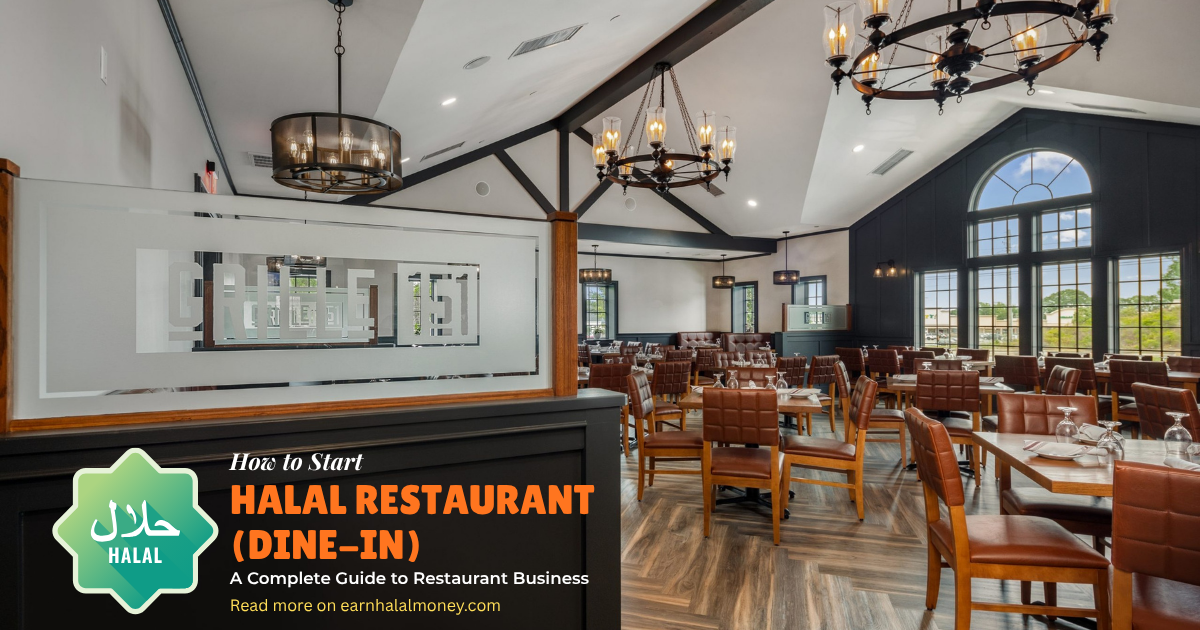
Unlike takeaway or delivery models, a dine-in restaurant focuses on providing a complete experience. Comfortable seating, attractive interiors, quality service, and delicious food together create customer satisfaction and loyalty. With proper planning and execution, this business can generate consistent revenue and grow into multiple outlets or even a franchise.
Complete Structure of a Dine-in Restaurant Business
1. Business Idea & Concept
Start by defining your restaurant concept clearly. Your idea should stand out in the market.
Popular concepts include:
- Family restaurant
- Themed restaurant (Arabic, Mughlai, South Indian, etc.)
- Halal restaurant
- Fine dining or casual dining
A clear concept helps in branding, menu design, and targeting the right audience.
2. Target Market
Identify your ideal customers before launching.
Common target groups:

- Families looking for comfortable dining
- Couples seeking ambience
- Office crowd for lunch/dinner
- Groups and celebrations
Understanding your audience helps in pricing, menu selection, and interior design.
3. Market Research & Competitor Analysis
Study your local market carefully.
Key things to analyze:
- Nearby restaurants and their pricing
- Popular cuisines in the area
- Customer preferences
- Peak business hours
- Strengths and weaknesses of competitors
This helps you position your restaurant better and avoid common mistakes.
4. Business Plan
A proper business plan is essential for success.
Include:
- Type of dining (casual / fine dining)
- Seating capacity
- Menu planning
- Pricing strategy
- Revenue projections
You can also include takeaway or delivery as an additional revenue source.
5. Branding & Identity
Branding plays a major role in attracting customers.
Focus on:
- Restaurant name and logo
- Interior design and theme
- Menu design
- Staff uniforms
- Overall customer experience
A strong brand creates trust and recognition.
6. Requirements & Setup Costs
Starting a dine-in restaurant requires significant investment.
Major expenses include:
- Shop rent or lease
- Furniture and seating
- Kitchen equipment
- Interior design and décor
- Staff hiring
👉 Estimated Investment: ₹5 Lakhs to ₹25 Lakhs or more depending on scale
7. Registration & Legal Requirements
Ensure your business is legally compliant.
Required licenses:
- FSSAI License
- GST Registration
- Trade License
- Fire Safety Clearance (if required)
Proper registration builds credibility and avoids legal issues.
8. Procurement & Suppliers
Your food quality depends on your raw materials.
Key points:
- Source fresh ingredients
- Work with reliable and halal-certified suppliers
- Maintain consistency in quality
- Build long-term supplier relationships
9. Pricing & Profit Margins
Set competitive yet profitable pricing.
Typical margins:
- 50% to 70% depending on cuisine and pricing strategy
Balance between affordability and profitability is key.
10. Marketing Strategy
Effective marketing helps attract and retain customers.
Best strategies:
- Google Business listing and reviews
- Instagram and Facebook promotions
- Influencer collaborations
- Local advertising and banners
Customer reviews play a major role in restaurant success.
11. Sales Strategy
Increase your average order value with smart techniques.
Examples:
- Combo meals
- Family packs
- Festival offers
- Discount coupons
Upselling and cross-selling can significantly boost revenue.
12. Operations Plan
Smooth operations ensure customer satisfaction.
Focus on:
- Kitchen workflow management
- Staff training and discipline
- Order management system
- Hygiene and cleanliness
Efficient operations reduce delays and improve service quality.
13. Online Presence
Even dine-in restaurants need a strong online presence.
Must-have platforms:
- Google Maps listing
- Instagram page
- Food photos and reels
- Customer engagement
This helps customers discover your restaurant easily.
14. Financial Planning
A dine-in restaurant has high fixed costs.
Plan for:
- Monthly rent
- Salaries
- Utility bills
- Inventory costs
Break-even planning is essential to ensure long-term sustainability.
15. Customer Experience
Customer experience is the heart of a dine-in restaurant.
Key factors:
- Ambience and seating comfort
- Food taste and presentation
- Staff behavior and service
- Cleanliness and hygiene
Happy customers bring repeat business and referrals.
16. Growth Strategy
Once your restaurant becomes successful, focus on expansion.
Growth options:
- Open multiple branches
- Start a franchise model
- Expand menu offerings
- Add delivery services
Scaling strategically can turn your restaurant into a strong brand.
Final Thoughts
A dine-in restaurant business is not just about food, it is about creating an unforgettable experience for your customers. With the right planning, quality service, and consistent effort, this business can become highly profitable and sustainable.
If you focus on customer satisfaction, maintain food quality, and build a strong brand, your restaurant can grow from a single outlet to a well-known name in your city.